

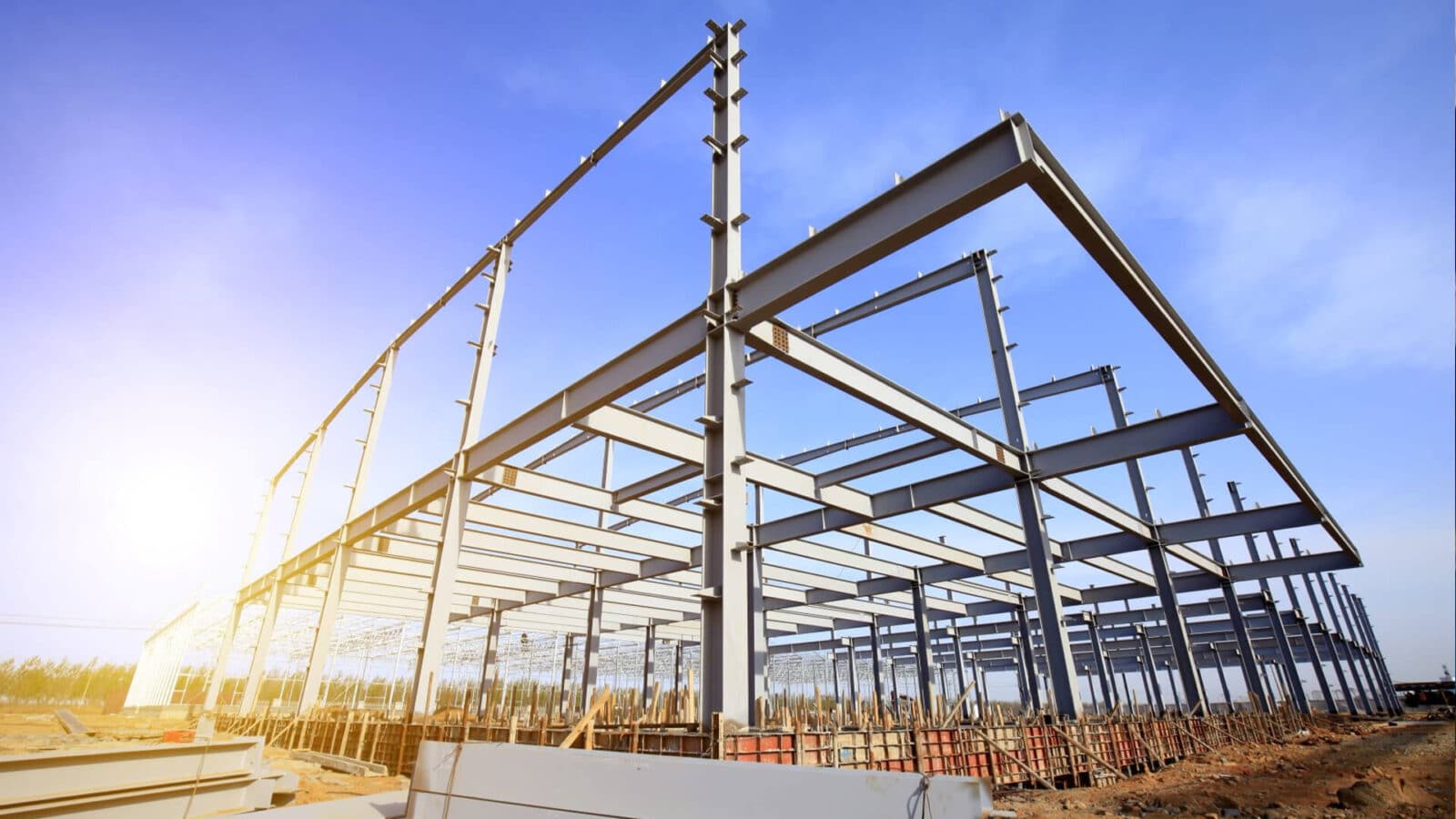
Steel buildings require robust groundworks, something that is often underestimated by most people. It is common for the steel framework of a steel building to be strong, but what is often ignored is the fact that it won’t be stable if the ground underneath it is unstable and settling. It is the groundworks of a steel building which determine just how well a steel building will resist water, wind, and usage. Even prior to the first steel beam being erected, groundworks need to be carried out in a manner which ensures a level steel construction is established.
Verification and Site Preparation
The initial step is ensuring the ground is suitable. It is important to analyze the land to understand its firmness, drainage levels, and any areas with weak ground that may be repaired. Sometimes the ground is so weak it may lead to cracks on the base of the structures later on. Also, ground with drainage issues may develop pools of water under the structures, posing a threat in the long run. Rural areas mostly present sites with a need for clearance before the construction process can begin, an exercise involving clearance of old roots, stones, and uneven landmasses.
Finally, the ground is leveled after clearance. This makes the steel framework erect with no twisting effects. Even slightest ground tilt would pose challenges with doors, wall insets, and other additions in the future.
Constructing the Right Base
A typical steel structure stands on a concrete slab, pads, or footings, depending on the required dimensions and function of the steel construction. A concrete slab is ideal because it provides a broad and level base. A concrete pad is used in smaller units, besides storages such as steel buildings meant for garage use. Footings support the vertical steel legs and distribute the heavy forces deeper. Regardless of which form is used, it is important to mix the concrete properly and pour it well.
Pouring the mixture too quickly may lead to crevices developing in the future. The base takes some time to harden. Working too quickly can lead to movement of the steel framework once the weight is resting on the slab.
Drainage And Long-Term Support
Effective drainage prevents water from accumulating underneath the construction and eroding the ground underneath the slab. Ground can be channeled away, an aggregate layer placed, or a water run-off implemented. Groundworks specialists can design this functionality and implement it all together with the base works so that everything operates in a unified setup. Moisture buildup can be prevented with a groundworks setup involving a membrane placed underneath the slab. Such a setup is ideal for workspaces such as workshops, garage conversions, and farm buildings where a buildup of ground moisture can be detrimental due to its effects on tools and products.
Indeed, serious drainage considerations must be given in areas such as London, given the frequent heavy rainfall periods. Steel building groundworks specialists can design everything so that everything operates in a unified setup. Indeed, a buildup of moisture can be prevented with a groundworks setup involving a membrane placed underneath the slab. Such a setup is ideal for workspaces such as workshops, garage conversions, and farm buildings where a buildup of ground moisture can be detrimental due to its effects on tools and products.
How Good Groundworks Can Prevent Problems Later
When the groundworks are good, everything else falls into place when constructing the building. The steel frames will be aligned properly, the roofs will be placed nicely, and the doors will open without a hitch. But if the groundworks fail, it may take a long time before the defects can be seen in the form of cracks, gaps, and rattles in the construction.
Many people may think that a problem with airflow or water may be a problem with the construction of the panel itself, but actually, it can simply be because of the movement of the ground where the construction is erected. This is because groundworks will prevent this movement from happening, ensuring everything is stable despite the changing weather conditions and heavy use of the construction whether it be from vehicles, equipment, or farm animals.
The groundworks for steel buildings may be a rather dull process, but it is what leads directly into everything else that follows. And if groundworks can be done in a good and adequate manner, this will give a steel building its best chance of being functional for a long period of time with hardly a problem in sight. It is what holds the entire project together, ready for what it is designed for.
Related: Top Business Trends Redefining India’s Market in 2025

Active Noon Media is the largest local to national digital media website that represents the voice of the entire nation.