

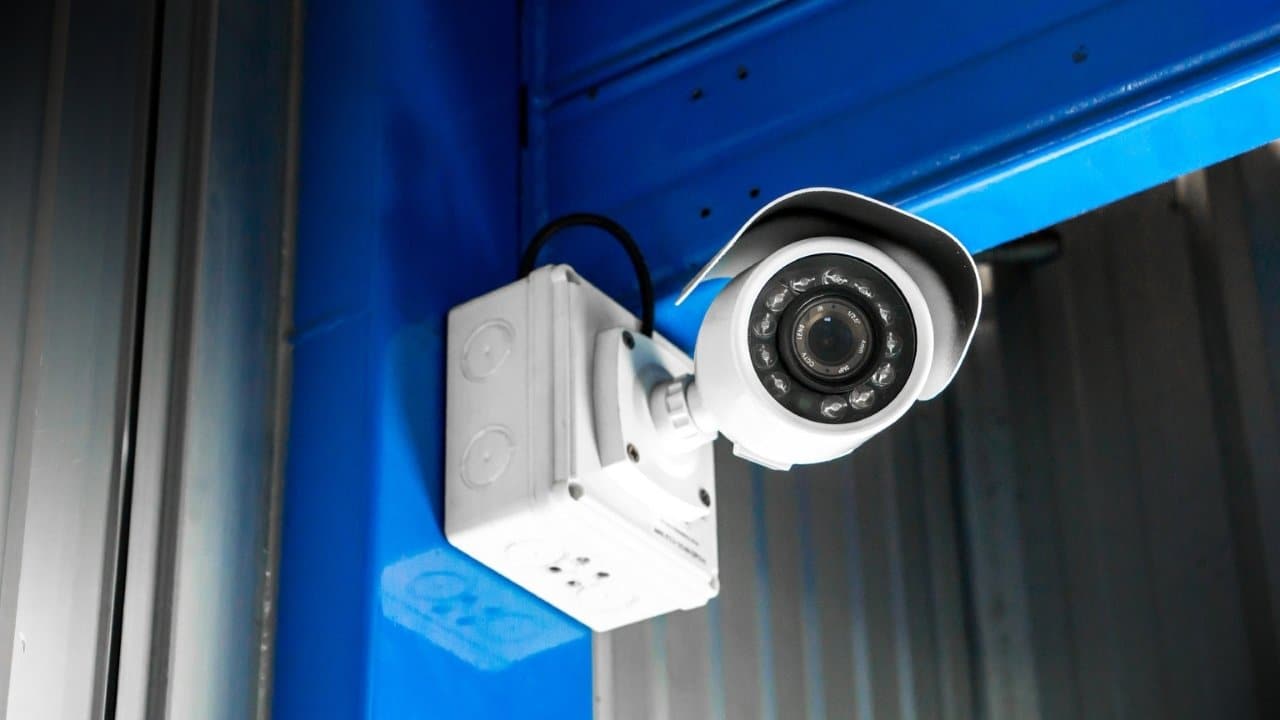
Home security, nowadays, is not just limited to locks and gates. With fast changing lifestyles and busier routines, homeowners want a solution to keep an eye on their property even when they are not around. This is where choosing the right CCTV camera becomes important. A well-chosen system does more than record footage. It ensures peace of mind and lets you be in control of your surroundings.
However, not all cameras serve the same purpose. So, before buying a CCTV camera for your home, it is helpful to understand what you actually need and how different features support daily security needs.
Start by understanding your security purpose
The first step is to be clear about why you want a camera. Some homeowners want basic monitoring at the main entrance. Others want full coverage of multiple areas such as the gate, parking space, backyard or staircases.
If your goal is to check who comes and goes, a single camera may be enough. If you want complete coverage, you may need multiple cameras connected to one system. Choosing a camera without complete clarity may lead to overbuying or missing important areas.
Decide where the camera will be placed
The placement of your camera plays a major role in its performance. Indoor cameras focus on hallways, living rooms or entry points. Outdoor cameras should be able to handle dust, rain and changing light conditions.
Before purchasing a CCTV camera for home outdoor use, check whether it is weather-resistant. For indoor usage, compact designs are suitable as they blend into home interiors. Ensure the camera’s field of view covers the space without leaving blind spots.
Choose the right video quality
Video clarity matters most when you need to identify faces or movements. Low-resolution footage may record activity but details can get lost. For home use, HD cameras usually provide a balance between clarity and storage needs. High-resolution cameras provide clearer images but then they require more storage space. So, choose a camera based on how detailed you want the footage to be and how often you plan to check the recordings.
Understand night vision and low-light performance
Most security incidents happen at night or in low-light conditions. A camera without good night vision loses much of its value after sunset.
Infrared night vision allows cameras to capture footage even in complete darkness. Some advanced models also offer colour night vision with minimal lighting. Before finalising a system, check how well the camera performs in low light.
Consider storage and recording options
Storage decides how long footage is saved and how easily it can be accessed. Some systems use memory cards, while others store footage on recorders or cloud platforms.
A home network video recorder (NVR) camera setup is useful when you want centralised storage for multiple cameras. These cameras securely store high-quality footage and enable easy playback. This is helpful for larger homes or families who want a longer recording history without frequent manual checks.
Look for ease of access and monitoring
Modern security systems allow homeowners to view footage on their phones or tablets. This makes it easier to check in while at work or travelling.
Before buying, confirm whether the camera system supports remote viewing and simple app controls. Complicated interfaces can reduce daily use. A system that is easy to access is more likely to be used regularly.
Pay attention to alerts and motion detection
Motion detection helps cameras record only when movement occurs. This saves storage and highlights important moments.
Good systems allow you to adjust sensitivity levels to avoid false alerts caused by pets or passing vehicles. Alerts sent to your phone help you respond quickly when something unusual happens.
Think about future expansion
Home security needs can change over time. You may add new rooms, parking spaces or entry points later.
Choosing a system that allows easy expansion is a smart move. A home NVR camera setup supports adding more cameras without replacing the entire system. This makes future upgrades simpler and more cost-effective.
Balance cost with long-term reliability
Price matters, but it should not be the only deciding factor. Very low-cost cameras may work initially but often fail under regular use. Replacing them frequently costs more in the long run.
Focus on brand, build quality, warranty and company support. You can consider Godrej EVE PRO 3 Pan Tilt Smart Wi-Fi Security Camera, which is one of the preferred CCTV cameras for homes.
Conclusion
Choosing the right CCTV camera is about understanding your home, your habits and your security concern. By focusing on placement, video quality, night vision, storage and ease of use, you can build a system that supports daily life without stress.
Whether you choose a single camera or a full home NVR camera setup, the goal remains the same: clear visibility, steady monitoring and peace of mind. When selected thoughtfully, the right CCTV system becomes a quiet but dependable part of home security.
Related: 10 Essential Amenities to Consider When Renting a Flat in Delhi for Students

Active Noon Media is the largest local to national digital media website that represents the voice of the entire nation.