How USB-C Became the Universal Standard

In this article
Technology has evolved pretty fast over the last decade, and honestly one of the most noticeable upgrades in daily connectivity is how USB-C has become so common. Back when the market was a total patchwork of proprietary charging sockets, like Micro-USB, Mini-USB, and Apple’s Lightning connector, things feel a lot more streamlined now. A growing number of devices, from smartphones and tablets to laptops, gaming handhelds, headphones, and even cameras, are starting to lean into one flexible standard. And yeah, USB-C is now the go-to plug for both power charging and data transfer, which is sort of the point.
Its popularity didn’t happen by accident. USB-C brings faster transfer rates, stronger power delivery, and better overall usability compared with the older connectors. So for people, it means fewer headaches, smoother routines, and less gear swapping. It’s a similar idea to how users like seamless experiences across different types of digital entertainment, including places like JiliGames, while they also want tech that reduces friction, improves compatibility and keeps everything in sync, more or less.
What Is USB-C?
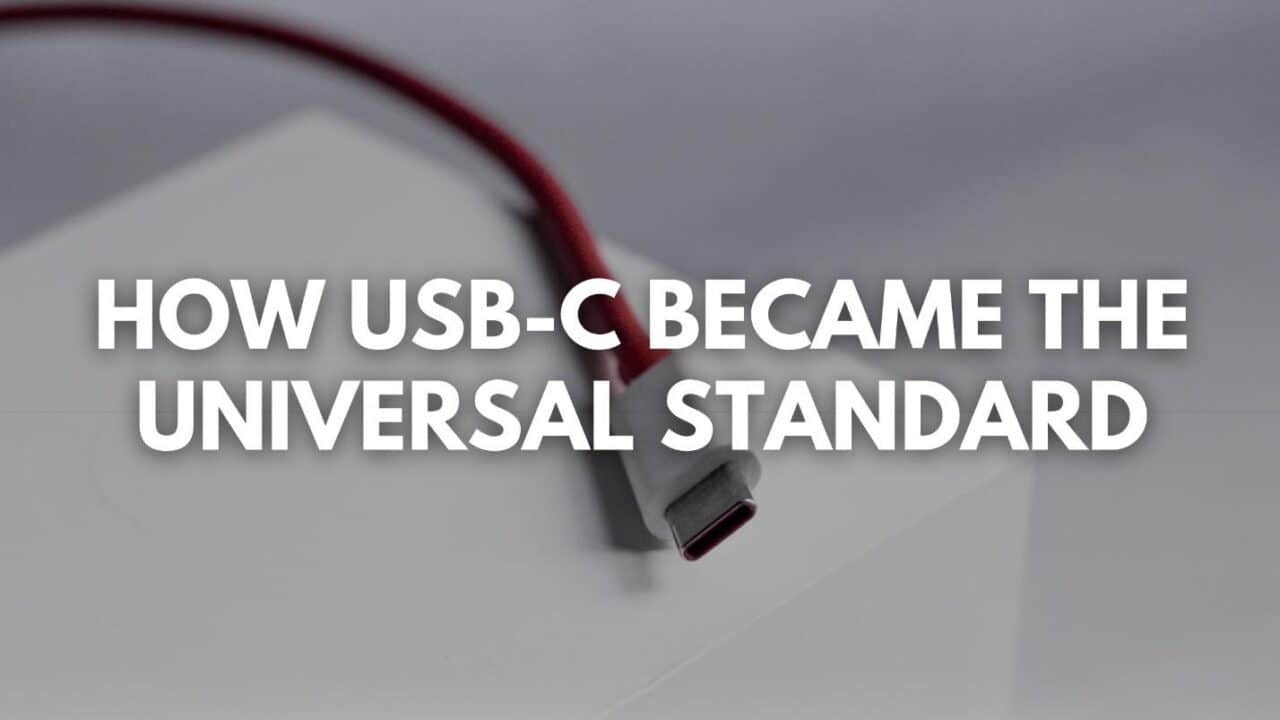
USB-C is a 24 pin, reversible connector introduced by the USB Implementers Forum USB-IF. Unlike older USB connectors, USB-C is sort of made to be universal, so one cable can handle a bunch of different things, more or less in one go.
Those functions can be, depending on the device and cable you use, like:
- charging devices
- fast data transfers
- sending audio signals
- video output
- support for an external display
- power delivery for bigger electronics
The Limitations of Older Connectors
Before USB-C, people often had to wrestle with a bunch of different cables for each device. Most phones leaned on Micro-USB, while cameras, external drives, and other add-ons seemed to depend on different, sometimes proprietary, plug types.
Some of the usual headaches in real life included
- slow charging speeds
- limited data transfer rates
- fragile connectors
- awkward compatibility problems
- cable clutter
Having multiple cords was annoying, especially if you were traveling, or you had a professional kit with several devices.
Faster Charging Changed Everything
One of USB-C biggest advantages is that it supports USB Power Delivery (USB PD) , which is sort of a big deal, you know.
Compared with older charging standards, USB-C can move a lot more power, so it can charge not only smartphones but also tablets, laptops, portable gaming consoles, and even monitors.
Some of the benefits are pretty clear, like faster smartphone charging, shorter charging periods for laptops, support for high-capacity batteries, and some sort of intelligent power management.
High-Speed Data Transfers
USB-C isn’t only for charging.
Most modern USB-C setups, can also handle extremely fast data transfer rates, depending on which USB standard is currently being used.
Those speeds are pretty good for stuff like
- moving huge video files
- working on photos straight from external drives
- doing backups of smartphones
- plugging in portable SSDs
- professional content production in a smoother flow
One Cable for Nearly Everything
one of the biggest reasons USB-C ended up being the universal standard is that it’s pretty versatile, like in a real everyday way. With just one cable you can do a lot more than before. You can charge your phone, connect your laptop to a monitor, transfer files, hook up external storage, charge headphones, and even power gaming accessories. Whether it’s moving between devices for work, or just winding down with JiliGames, people tend to want smooth compatibility all the time.
Industry-Wide Adoption
Technology companies, over time, have kind of warmed up to USB-C across all sorts of product kinds. Like, today you can find USB-C in smartphones and tablets, laptops too… and also wireless earbuds, cameras, portable gaming systems, power banks, monitors, plus external SSDs.
And even the brands that used to stick with their own proprietary connectors, they have slowly moved toward USB-C because shoppers asked for it, and because the whole industry is leaning the same way, you know.
So, in the end, this broad switch helps everyone, it means less headaches with compatibility, and it brings better everyday convenience.
Supporting Modern Workflows
Nowadays, a lot of professionals are bouncing between several devices in the same day, kind of without thinking too much about it. USB-C helps create a more steady workflow because it lets users, connect different hardware in one go, and that makes the whole routine feel smoother, almost effortless. With USB-C you can plug docking stations, run dual monitors, charge a laptop while sending or moving files, attach external GPUs, and even expand storage pretty quickly.
For remote workers, students, and creative people this flexibility tends to tidy up desk arrangements and boosts productivity in a pretty direct way.
Better Experiences for Entertainment
USB-C also kind of changed the whole entertainment part. People can plug devices into bigger screens, use faster storage, add gaming accessories and even audio gear without always hunting for a pile of separate adapters. It helps a lot with things like streaming movies, mobile gaming , video editing , music production , and live streaming.
Also, platforms for digital entertainment such as JiliGames really gain from setups that charge quickly, keep a steady link, and allow longer play sessions so nothing keeps cutting out mid-moment.
Challenges That Still Exist
Even though USB-C now seems like the standard connector , not all USB-C cables are built the same, kinda.
You can run into differences like charging wattage , data transfer pace, support for showing display content, and even Thunderbolt compatibility.
So it’s smart that consumers double check the cable specifications before buying accessories, especially when you’re handling professional workloads that need top performance.
The Future of USB-C
USB-C keeps evolving, alongside newer USB specifications and all the little updates in between. People are expecting future improvements to bring, stronger charging rates and more swift data flow too. There should also be better visual output, plus smoother integration across different tech ecosystems, not just one vendor.
On top of that, there’s growing emphasis on enhanced support for AI powered devices, which makes a lot of sense when you think about the way gadgets get smarter.
Conclusion
USB-C earned its place as the universal standard, by solving a bunch of the problems that came from the older connectors. The reversible layout, high speed data moving , strong charging power and really wide compatibility have all made it easier for people to use technology day to day. Instead of juggling a pile of cables and separate chargers, consumers can basically keep things smoother across phones, laptops , tablets and countless add ons.
And as tech keeps moving forward, USB-C is expected to stay right in the middle of connected devices, giving better efficiency while also pushing more sustainability. Whether you are working, creating content , or just relaxing with digital entertainment on places like JiliGames, having one connector that fits many needs helps the whole experience feel less annoying, more quick, and more convenient. USB-C is more than just a cable, it is more like a big step toward a simpler and more connected digital tomorrow.
Related: What is a Promotion Mix & Why Is It So Important?
Frequently Asked Questions
Why did USB-C become the universal standard?
USB-C became the universal standard because it offers fast charging, high-speed data transfer, video output, and broad compatibility across many devices.
Can every USB-C cable perform the same functions?
No. USB-C cables differ in charging capacity, data transfer speed, display support, and Thunderbolt compatibility.
What devices commonly use USB-C today?
USB-C is widely used in smartphones, tablets, laptops, cameras, gaming handhelds, monitors, external SSDs, headphones, and other modern electronics.