

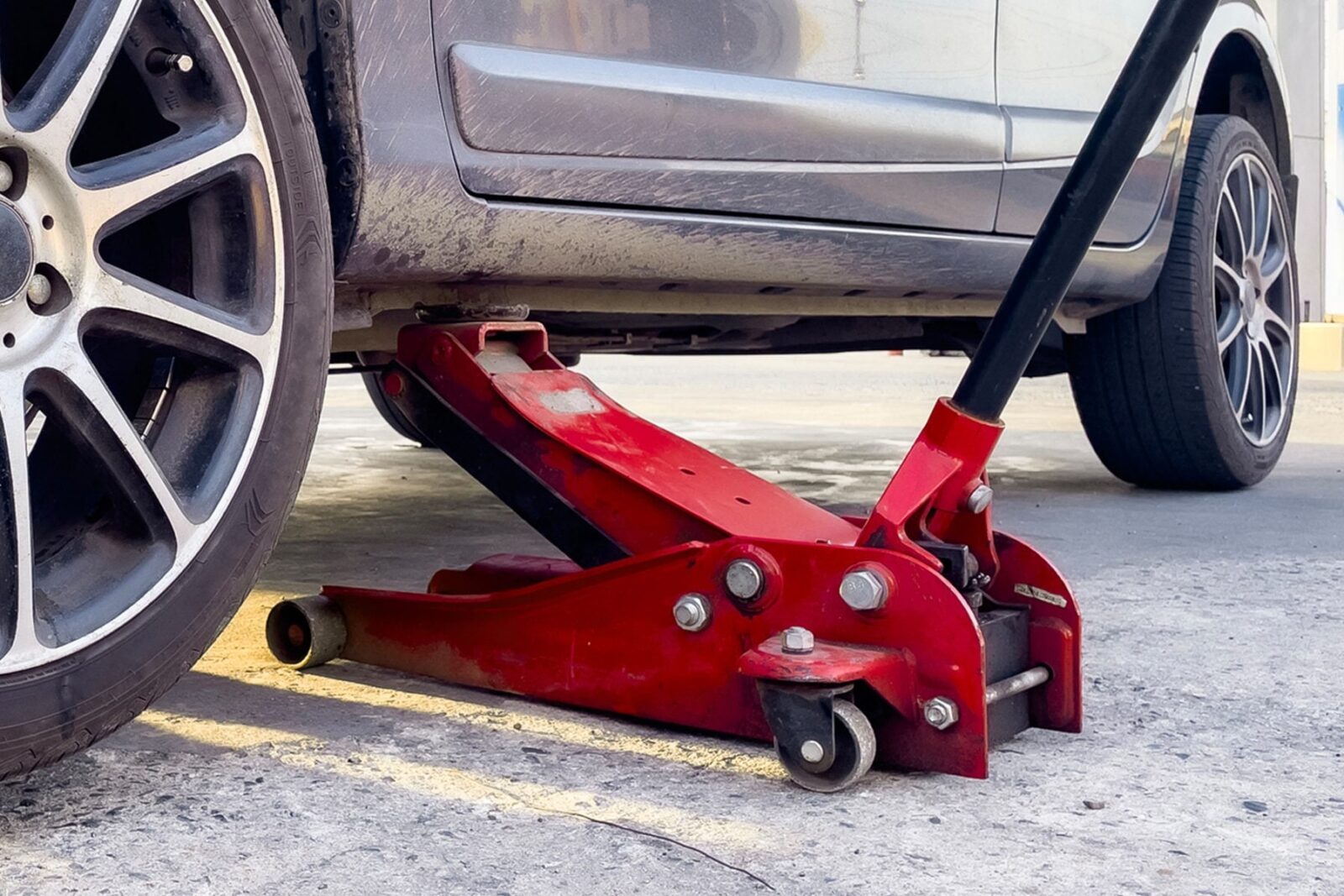
There are some lessons you expect to learn slowly, over years, with plenty of warning. And then there are the lessons that arrive all at once, cold and sharp, on the side of the road with your heart in your throat. When a car jack fails, it does not simply inconvenience you. It changes the way you think about safety, preparation, trust, and the little tools you barely notice until they are carrying the full weight of your day.
That is exactly why this story matters. What seems like a simple roadside mishap can become a powerful guide for anyone who drives. If you have ever assumed your emergency kit was “good enough,” or believed a quick tire change was a routine task with no real danger, this is for you. Sometimes the smallest piece of equipment can expose the biggest blind spots.
What Happened When One of My car jacks Gave Out
It started like so many ordinary problems do: a flat tire, an inconvenient stop, and the calm confidence that it would all be fixed in fifteen minutes. The road was quiet. The weather was tolerable. Everything felt manageable—until it didn’t.
The car-jack was positioned, the vehicle began to rise, and for one brief second it felt like progress. Then came the slip.
Not a dramatic explosion. Not a cinematic crash. Just a sickening shift. Metal moved where it should have held. The car dropped abruptly enough to send panic straight through the chest. In moments like that, time stretches. Your hands freeze. Your thoughts race ahead to every awful possibility. Was anyone too close? Was the frame damaged? Could this have been much worse?
Yes. It could have been.
And that is the point many drivers do not fully absorb until something goes wrong: car jacks are not casual tools. They are load-bearing safety devices. If they fail because of poor placement, unstable ground, worn components, or user error, the consequences can become catastrophic in seconds.
The Emotional Wake-Up Call Behind Safe Lifting
After the shock wears off, another feeling often arrives: embarrassment. You may wonder whether you should have known better. You may replay every step. You may even feel strangely betrayed by a tool that was supposed to help.
But the real lesson is not shame. It is awareness.
Many of us carry emergency equipment in the trunk without ever testing it. We trust the factory-issued setup. We assume the roadside shoulder is flat enough. We tell ourselves the vehicle is still drivable, so there is no urgency in learning more. That word—drivable—once carried a different meaning during a small family mishap. A relative insisted a car was “totally drivable” after clipping a curb, only for us to discover a bent rim and a slow leak an hour later. Since then, that word has felt like a warning label disguised as reassurance.
A car that seems fine is not always safe. A tool that looks sturdy is not always reliable. A fast repair is not always a smart one.
How to Use car jacks Safely Before Trouble Starts
If this experience teaches anything, it is that preparation matters more than confidence. Here are the safety habits that can make all the difference:
1. Read the vehicle manual
Yes, even if it feels tedious. Your manual identifies the correct jack points. Lifting in the wrong place can damage the car and cause the jack to slip.
2. Never work on soft or uneven ground
Dirt, gravel, grass, and sloped pavement can destabilize car jacks quickly. The flattest, hardest surface available is always the goal.
3. Engage the parking brake and use wheel chocks
If the vehicle can roll, it can fall. Chocks are not optional luxuries. They are simple, cheap, and vital.
4. Inspect the jack before using it
Rust, bent arms, leaks in hydraulic systems, or stripped threads are all red flags. If something looks questionable, do not “risk it just this once.”
5. Never rely on a jack alone when going under a vehicle
This rule deserves to be burned into memory. A jack lifts. A jack stand supports. They are not interchangeable.
There is something sobering about realizing how often people skip these steps because they are in a hurry. Urgency has a way of making bad decisions feel efficient.
Why a trolley car jack Can Be Better Than the Basic Emergency Option
Factory jacks are designed for compact storage and emergency use, not comfort or confidence. That is why many experienced drivers prefer a trolley car jack for home maintenance. A trolley car jack usually offers better stability, smoother lifting, and easier positioning than the slim, often awkward jack tucked into a trunk.
That does not mean every driver must carry one everywhere. But it does mean you should understand the difference between “included with the car” and “best tool for the job.” They are rarely the same thing.
This reminds us of a strange little moment from childhood. After a storm, a rainbow appeared over a gas station parking lot while everyone stood around waiting for roadside help. For a minute, the frustration disappeared. People pointed upward, smiled, and forgot their stress. The scene was beautiful, but it also carried a quiet truth: relief often comes after chaos, not before it. Safety works the same way. We appreciate it most intensely after a scare.
Common Mistakes That Make car jacks Dangerous
The danger usually does not come from one huge error. It comes from a chain of smaller ones:
- Using the wrong lift point
- Rushing without checking stability
- Changing a tire too close to traffic
- Forgetting wheel chocks
- Trusting old, damaged equipment
- Working underneath a raised car without stands
There is also a psychological mistake people make: they inveigh against “bad luck” when a failure happens, as if the event were random and unavoidable. Years ago, someone nearby began to inveigh loudly at a broken tool during a roadside delay, blaming the manufacturer, the weather, the town, nearly the entire universe. But the real issue was simpler: the equipment had not been inspected in years. Anger can be loud. Responsibility is quieter, but much more useful.
What You Should Keep in Your Car From Now On
A smarter roadside kit can dramatically reduce risk. Consider keeping:
- A reliable tire pressure gauge
- Wheel chocks
- Gloves
- Flashlight
- Reflective triangles or flares
- A portable air inflator
- A high-visibility vest
- A better-quality jack, if practical
- Lug wrench that fits properly
If you regularly perform maintenance at home, investing in a trolley car jack and sturdy jack stands is even wiser.
What Failure Really Teaches You
When a jack fails, it does more than interrupt your day. It strips away assumptions. It forces you to see how fragile “it’ll be fine” can be. And oddly enough, that is a gift. Not a pleasant one. Not a cheap one emotionally. But a gift all the same.
Because after that moment, you do not look at routine maintenance the same way. You respect it. You slow down. You check the ground. You inspect the tool. You stop treating safety like a formality.
And maybe that is everything. Not just knowing how to lift a car, but knowing why care matters.

Active Noon Media is the largest local to national digital media website that represents the voice of the entire nation.