Electric Scooter Cost in India: What Really Determines the Final Price?

In this article
Rising fuel prices and the convenience of daily travel are making electric scooters an increasingly popular choice among urban commuters in India. Many riders, however, focus solely on the ex‑showroom price and overlook the other factors shaping total expenses.
The electric scooter cost in India is influenced by insurance, taxes, registration, accessories, and finance charges, all of which affect overall affordability. Understanding these elements helps riders plan budgets effectively and make smart choices based on value rather than just base price. From government levies to on-road fees and routine maintenance, each component contributes to the total ownership cost.
Let’s learn how these factors determine the final price.
10 Factors that Affect the Electric Scooter Cost in India
Understanding the electric scooter cost in India goes beyond the ex‑showroom price. Registration, taxes, insurance, warranties, accessories, delivery, and government incentives all shape the final amount riders pay, helping them plan smarter purchases.
1. Ex‑Showroom Price: The Starting Point
The ex‑showroom price is the base figure announced by manufacturers and dealers. It includes the factory price, handling charges, and basic delivery costs. This is often the first number riders see when checking the electric scooter cost in India.
However, this price does not include government taxes, registration fees, or insurance. For comparison shopping, always verify whether advertisements are quoting ex‑showroom figures or on‑road estimates to avoid surprises during purchase.
2. Goods and Services Tax (GST)
GST is a mandatory central tax applied to most automobile purchases, including electric scooters. GST affects the electric scooter cost in India directly because it adds a percentage to the ex‑showroom price.
While Electric Vehicles (EVs) have enjoyed lower GST slabs compared to petrol scooters, this tax still contributes significantly to the final amount paid by the rider. Some models may also attract additional cess or state‑level levies, depending on local regulations.
3. Registration and Road Tax
Every electric scooter must be registered with the local Regional Transport Office (RTO). The registration fee and road tax vary by state and city, making them key components of the electric scooter cost in India.
Some states offer incentives or reduced road tax for EVs to encourage cleaner mobility. Riders should check their local RTO rates before booking, as these can swing the on‑road cost by several thousand rupees. Registration also includes issuing number plates and documentation charges.
4. Insurance Costs
Third-party bike insurance is mandatory for all vehicles in India, including electric scooters. Insurance premiums form a significant part of the electric scooter cost in India. The amount depends on the scooter’s value, model, location, and add‑on coverage selected by the rider.
Opting for comprehensive insurance is advisable, as it protects against third-party liabilities and covers damage to your vehicle. Some riders also choose add‑ons like zero depreciation and roadside assistance, which improve protection but increase premiums.
5. Battery and Warranty Charges
Electric scooters rely on battery systems, which are often covered under separate warranty policies. Some manufacturers include a battery warranty in the ex‑showroom price, while others charge extra for extended coverage.
Riders should understand how battery servicing, replacement costs, and warranty duration affect the electric scooter cost in India. Additionally, opting for extended warranty packages can increase the upfront cost but reduce long‑term expenses.
6. Finance and Interest Charges
Many riders choose to finance their scooter through loans or monthly instalments. Finance options spread the electric scooter cost in India over a tenure, but interest and processing fees add to the total outlay.
No‑cost or low EMI schemes can help manage monthly budgets, though they may include hidden charges or limited eligibility. It’s important to compare interest rates from banks, non‑bank lenders, and in‑house dealership plans when planning the purchase.
7. Accessories and Optional Features
Scooter accessories like seat covers, storage additions, mobile chargers, and protective gear also influence the electric scooter cost in India. While some accessories come bundled, others are optional and attract extra charges.
Smart features such as app connectivity, advanced displays, or enhanced lighting may also be offered as paid upgrades. Riders should decide which add‑ons truly add value to their daily use before committing.
8. Delivery, Handling, and Logistics
Dealers often charge delivery and handling fees for transporting the scooter from the warehouse to the showroom and finally to the rider’s address. These charges are added to the electric scooter cost in India and vary based on location and distance. Riders should negotiate or clarify delivery charges upfront to avoid unexpected bills at the time of payment.
9. Government Subsidies and Incentives
Several state governments in India offer incentives or subsidies for electric vehicles, aimed at reducing the electric scooter cost in India. These benefits may include reduced road tax, registration fees, or direct purchase subsidies. Scheme eligibility can vary by model and purchaser profile, so riders should consult local EV policies before booking.
10. After‑sales Service and Maintenance Costs
While not part of the upfront purchase price, after‑sales service and maintenance add to the long‑term electric scooter cost in India. Regular servicing, tyre changes, brake pads, and periodic battery health checks are part of ownership. Some manufacturers offer annual maintenance packages that can help control these recurring costs.
Plan Your Purchase with Full Clarity
The electric scooter cost in India includes more than the showroom price. Savvy riders consider taxes, registration, insurance, accessories, and running expenses upfront to avoid surprises at the final bill. Researching each component allows better comparison, negotiation, and informed selection.
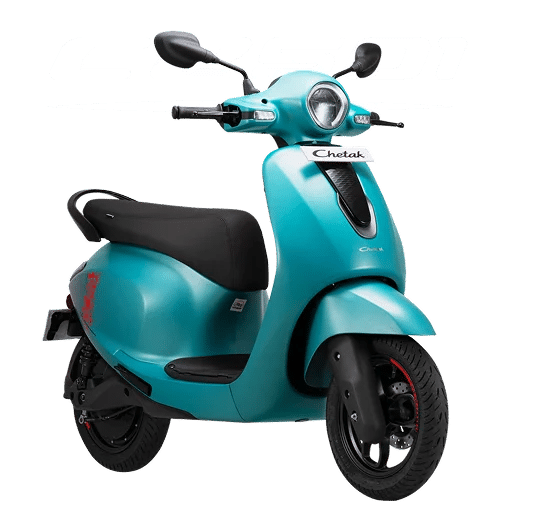
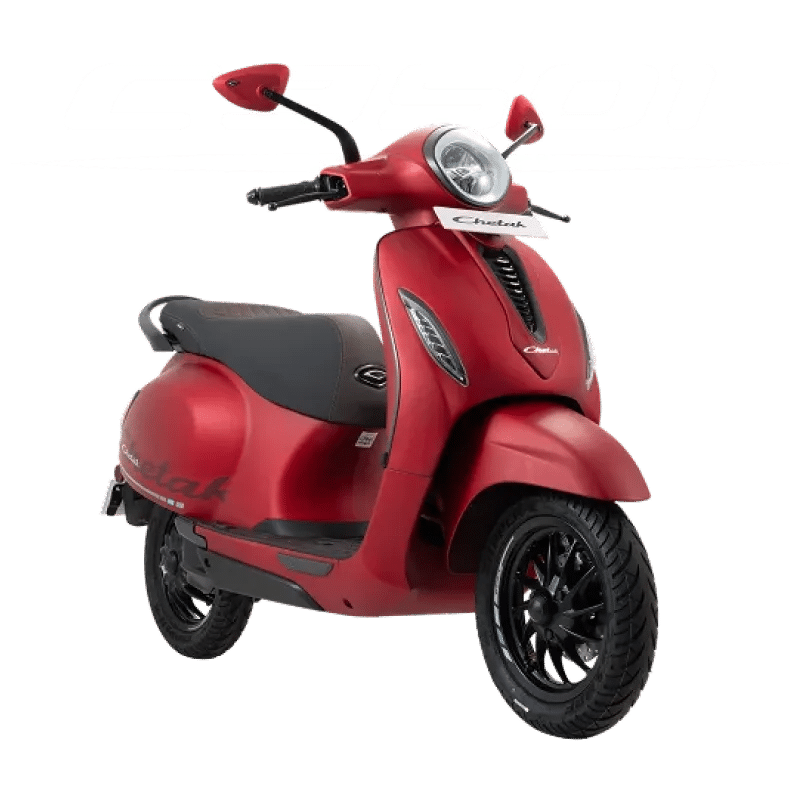
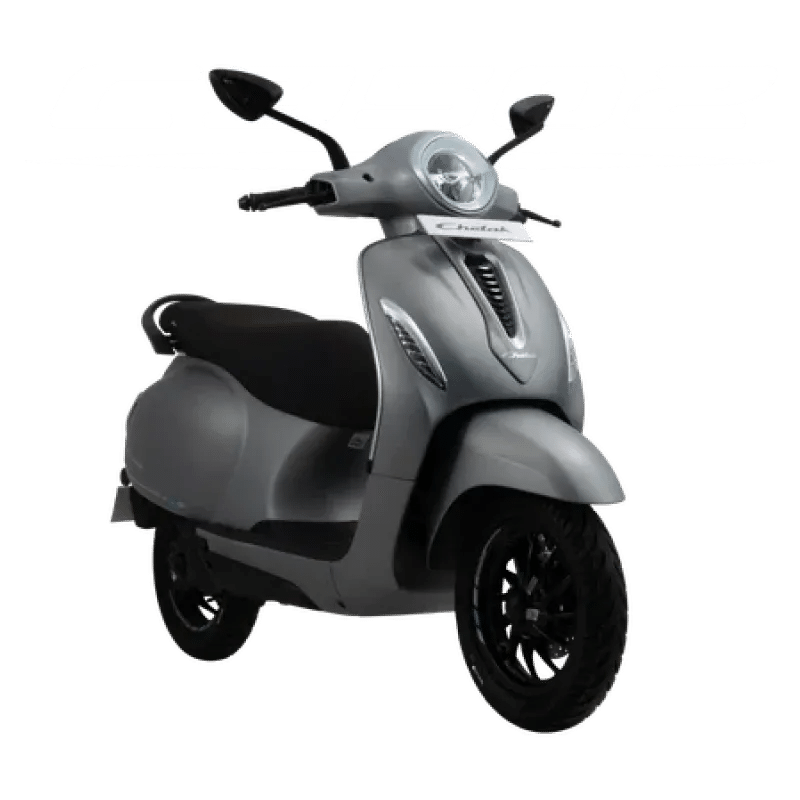
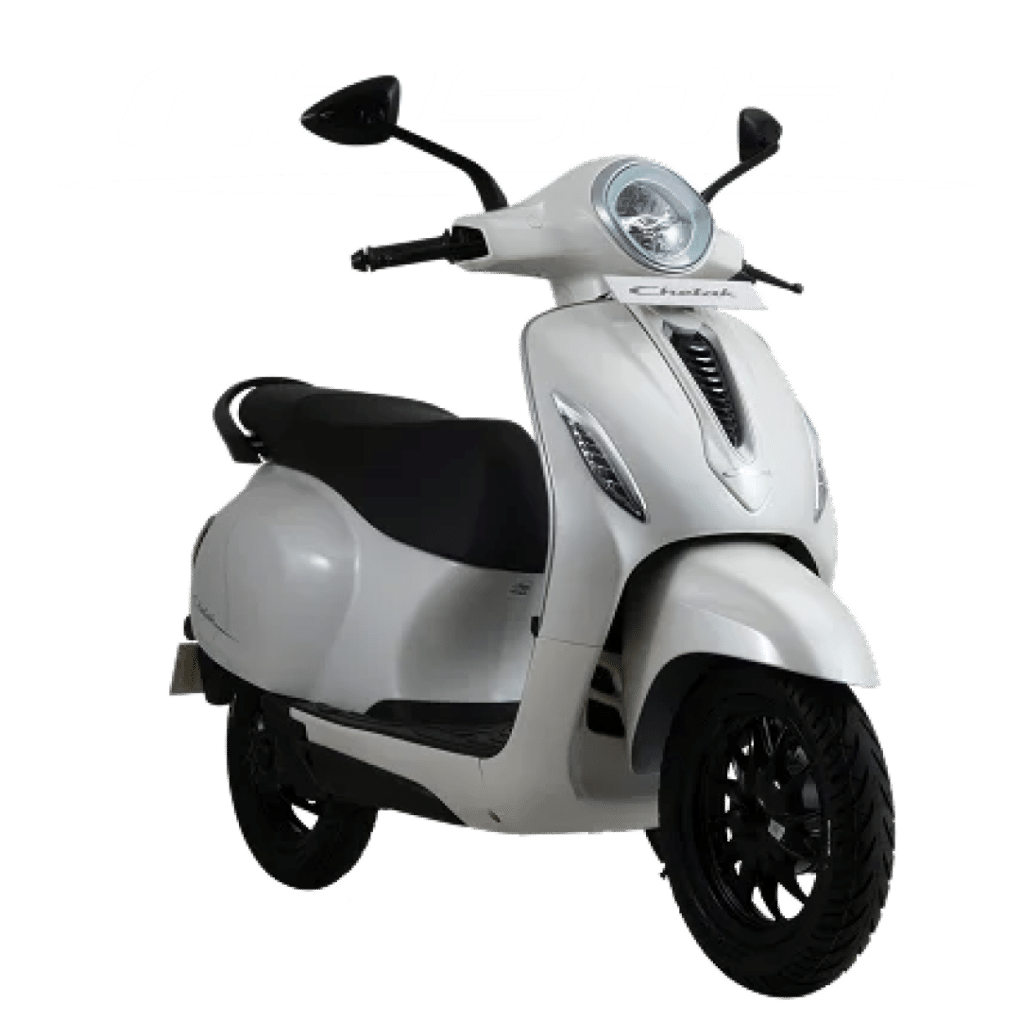
Transparent pricing ensures riders know exactly what they pay, while government incentives make electric scooters more accessible across income groups. Brands like Bajaj Chetak structure costs clearly, helping riders evaluate total ownership value rather than just the base figure.
Planning reduces financial stress and maximises benefits, ensuring the electric scooter cost in India aligns with actual needs and long-term usage.
Related: Best Family Cars in India Built for Comfort, Safety, and Everyday Needs
Frequently Asked Questions
What is included in the electric scooter cost in India?
The total cost includes the ex-showroom price, GST, registration, insurance, accessories, financing charges, and long-term maintenance expenses.
Do government subsidies reduce electric scooter prices in India?
Yes. Many states offer EV subsidies, reduced road tax, or registration fee exemptions, depending on the scooter model and local policies.
Why is the on-road price higher than the ex-showroom price?
The on-road price includes mandatory costs such as GST, RTO registration, insurance, handling charges, and any optional accessories or extended warranty packages.