
Choosing a course to study is always a task full of dilemmas for many, as it does not easily fulfill each one’s Ikigai. The world is full of people who studied something else and are reigning supreme in a completely different domain. One of the classic examples is Jack Ma, who studied English, not business or tech, and yet built one of the largest e-commerce companies in the world. So is the Apple founder Steve Jobs, who was a college dropout but completely transformed the world of technology and design.
Yet, Bisma Fareed, a lady with over 50 certifications and 10 medals, was finding it difficult to get an internship. All these stories boiled down to one thing: always consider how will your selected course help with your goals and help in building a revolutionary and secure future. This blog will guide you for the same.
Understanding Your Personal & Professional Needs
- Every person’s priorities, goals, needs, and plans differ from each other. Some wish to land a job in a top MNC, some want to build their business, some wish to rule the stage, and others want to mentor and change lives.
- When you choose a course or an education program, look out for whether it serves as your roadmap to that goal or not.
- For instance, if you are deeply interested in any form of art, pursue that, and choose a course that can help you monetize your art. A digital marketing course is a better use to market your artistic skills, rather than an engineering course, which serves you no purpose.
- Learn to balance your passion and profession. Either turn your passion into a high-paying career or let a high-paying career make room for your passion.
- Set short-term and long-term career goals.
How to Select the Right Course for Academic and Professional Goals?

1. Course & Industry Demands
Study the job market and determine whether your course can fulfill the industry demands. What are declining and rising job roles in your industry, and what level of financial stability can your course offer?
2. Content & Curriculum
See how well your course is structured, as it must offer you both theoretical insights and practical knowledge. Choose a course that offers industry exposure, relevant case studies, and current scenario insights. Look for a course that can help you with internships, real-world projects, or post-graduation job opportunities.
3. Course Review
Before choosing a course, check its feedback, reviews on trusted platforms, and join social media groups and forums to hear about other candidates’ experiences. Connect with alumni for firsthand research and credible information.
4. Financial Requirements
Look for scholarships and grants, as some companies even fund employee education programs. Understand how helpful the payment plan is.
5. Growth Opportunities
What is the future relevance of your course? Is it opening doors to higher studies or better work opportunities? Make sure your course is building expertise through academic programs.
6. Real-World Applications
See where your chosen course stands in the real world. What are its implications across the industry at the current time? Seek interdisciplinary learning, for instance, a brand manager is someone who uses strategic, PR, marketing, and planning skills, and they can work in any sector with these skills.
7. Connection Building
Understand how your course can connect you with masters in the field. Leverage networking in your industry.
Accredited Vs Non-Accredited Courses
Accredited courses hold the value of recognition, which means education bodies acknowledge them and offer legitimate qualifications.
Whereas non-accredited courses offer high-value skills but may not be accepted by employers or recognized by education bodies.
How Does Your Course Support Your Future Plans?
Sometimes the course you have opted for may not be a direct career path or align with your future goals, but your job is to spot and learn the transferable skills from the course. Skills such as problem solving, communication, management, collaboration, strategic planning, or critical thinking are all of great importance in any field or any career you build.
This helps you if you wish to change your career path, yet your knowledge stays useful throughout your career journey in life.
Tips for Career Development Through Education
For Students
- Decide what you want to do in the future: is it a job, a business, a creative career, or something else?
- Do not choose any course just because it is trendy, but choose if that is suitable for you.
- Look for more practical knowledge, rather than just theory.
- Use your projects and internships to build a portfolio and combine theoretical and practical experiences.
- Focus on networking, build relationships with seniors and experts.
- Choose electives different from your main course.
- Make constant upgrades and adaptations as per your fields.
For Professionals
- Choose courses that can help you upgrade your skills in your current domain.
- If you are planning a career switch, go for a course that can merge skills of the previous and new domains, e.g., from business to tech.
- Focus on learning and applying concepts, practical application is the best way of learning.
- Focus on soft skill development.
- Make the best use of hybrid learning and work culture to balance your professional life while upgrading your knowledge and skills.
- Keep updating your professional portfolio, like resumes, LinkedIn, GitHub, and other professional platforms, which highlight your work and knowledge.
Summary
A survey from Kickresume stated that 41% of the fresh graduates feel they are 100% ready to enter the workforce, yet 58% still can’t find a job. The reasons for this are deeply rooted in drawbacks in the education systems, the job market, the hiring process, supply and demand, and a few other factors.
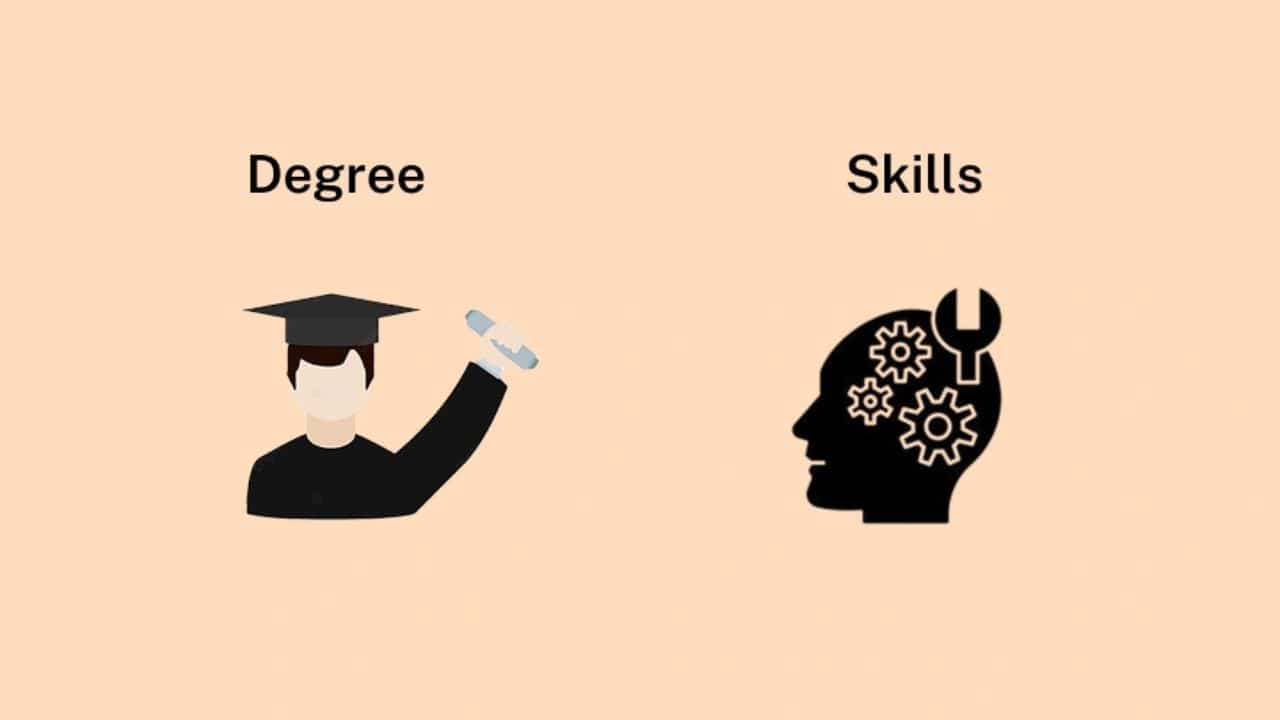
Dr. A.P.J. Abdul Kalam quoted that your degree is just a piece of paper, it is because it can not serve the purpose of growth. Earning that paper still takes a lot of hard work, money, and time. That is why it is important to choose wisely and figure out how your selected course will help with your goals and how beneficial it is for your academic and professional goals.
Related: Top 10 Courses In Demand In India: Get Skilled, Get Hired!
Related: Top Benefits of Enrolling in an Interior Design Course

Active Noon Media is the largest local to national digital media website that represents the voice of the entire nation.