Upgrading Your Outdoor Sports Gear: Performance and Durability Guide

In this article
Outdoor adventurers are familiar with this scenario. Boots fall apart on day three. The tent develops a leak as the rain storm begins. The bicycle chain breaks at the most inconvenient time. And suddenly your trip goes from pleasant to disastrous.
But here’s the good news…
Improving your outdoor sports and sporting goods equipment doesn’t mean emptying your wallet or buying the priciest item on the rack. It just means knowing what, where, and how.
What you’ll discover:
- Why Smart Gear Upgrades Actually Matter
- The Best Materials For Long-Lasting Equipment
- How To Match Gear To Your Activity
- Smart Buying Tips That Save Money
- Looking After Your New Gear Properly
Why Smart Gear Upgrades Actually Matter
The outdoor industry is absolutely booming right now.
The outdoor recreation economy continues to expand, with participation topping 181.1 million Americans in 2024. That’s an increase for the ninth straight year. Which means more than half of the entire U.S. population recreates outdoors regularly. In fact, federal data confirms just how big of an economic driver outdoor recreation is. Its value added to the economy now totals $696.7 billion. That’s 2.4 percent of U.S. gross domestic product.
So what does that mean for the average outdoor enthusiast?
It means the outdoor gear industry has exploded. There are more choices than ever before which is both a good thing and very frustrating. Walking into any of the great sporting goods store locations near you opens up endless variety. Plenty of brands. Plenty of price points. Plenty of options for delivering high-performance outdoor sports and gear.
But here’s the thing…
Most gear failures come down to three problems:
- Cheap materials that wear out way too fast
- Gear that wasn’t actually built for the activity
- Poor maintenance after the purchase
Correct those three things and you’ll receive years (sometimes decades) of wear out of every garment you purchase.
The Best Materials For Long-Lasting Equipment
Material choice is everything when it comes to durability.
Here’s an example. A $300 jacket constructed of thin polyester won’t hold up nearly as long as a $200 jacket constructed of ripstop nylon. Pay less attention to brand names and more attention to fabric specifications and stitching quality.
Here’s what to look for when upgrading:
For apparel and outerwear:
- Ripstop nylon for tear resistance
- Gore-Tex or similar waterproof membranes
- Merino wool for base layers (it doesn’t stink like synthetics)
- YKK zippers — cheap zippers are always the first thing to break
For footwear:
- Full-grain leather or premium synthetic uppers
- Vibram or similarly rated outsoles
- Glued AND stitched construction, never just glued
For hardgoods like tents, bags, and packs:
- Higher denier fabric ratings for durability
- Aluminium poles over fibreglass every time
- Reinforced stress points and bartack stitching
Investing in quality products from the start will almost always save you money in the long run. Low-quality gear fails you. You purchase more of it. It continues to fail you. Before you know it, you’ve spent more money than you would have if you just bought quality gear from the start.
How To Match Gear To Your Activity
This is where most people seriously mess up.
Buying a pair of lightweight trail runners and wearing them for technical mountain hikes is asking for blisters, twisted ankles and an awful weekend. The correct outdoor sports and sporting equipment must suit what you do – not what you hope to do someday.
Solo hiking has about 63 million enthusiasts who participate in the great outdoors. That makes hiking the most popular activity in the US. Camping, biking and fishing attracted over 2 million newcomers each in the latest survey. Every activity carries its own requirements though.
Match your gear like this:
- Day hiking (easy trails): Lightweight trail runners, 20L daypack, basic rain shell
- Backpacking: Sturdy boots with ankle support, a 50-65L pack, layered shell system
- Mountain biking: Full-face or trail helmet, padded shorts, gloves with palm protection
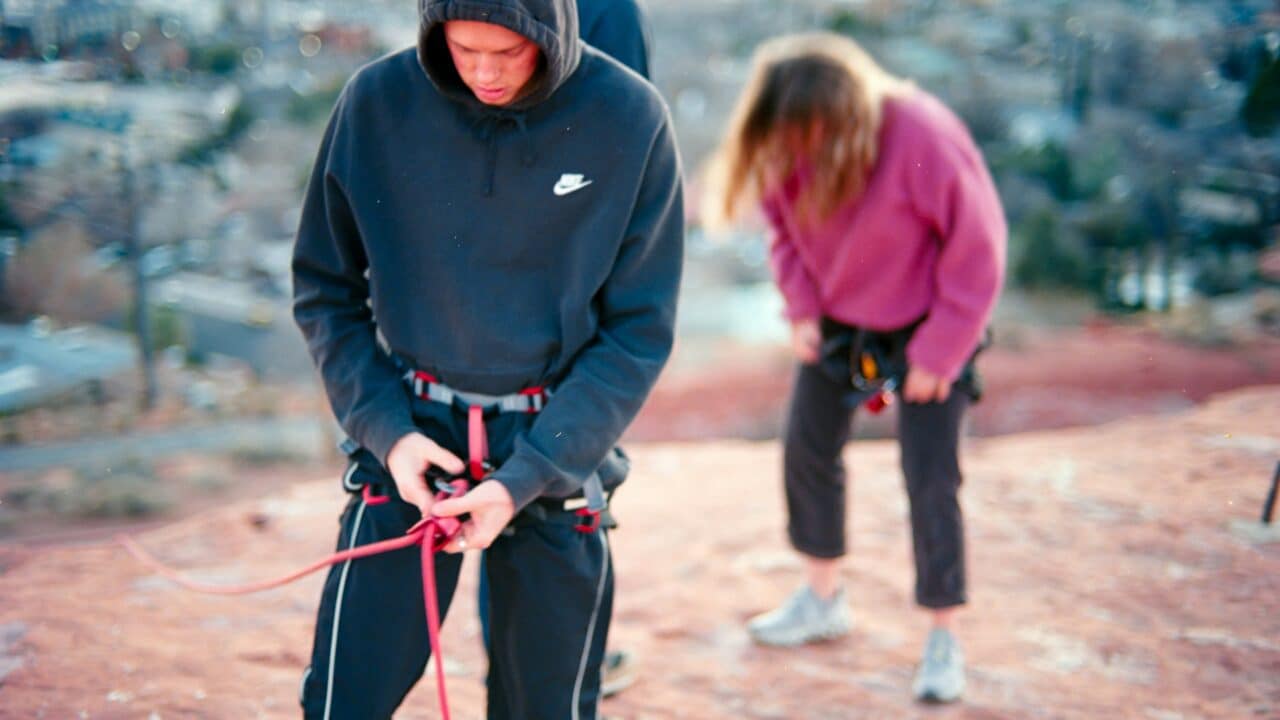
- Climbing: Sport-specific shoes, UIAA-rated harness, dynamic rope for lead climbing
- Water sports: Quick-dry fabrics, PFD when needed, footwear that drains properly
Experimenting with several activities? Invest in multi-use items first. A good midlayer or hardy backpack will serve you for countless adventures. Specialty items can wait until you know what you like.
Smart Buying Tips That Save Money
Quality doesn’t have to mean expensive.
The worldwide sports equipment market reached $410 billion USD in 2025. Competition is steep with that many players, but there are deals galore if you know where to look.
Try these money-saving moves:
- Visit retailers’ end-of-season sales: Winter collection during spring/summer and vice versa. You can expect discounts ranging from 50-70%
- Buy last year’s models: New colours are released each year but very little changes technology wise
- Visit outlet stores: Lots of major brands offer outlet stores that sell excess inventory at massive markdowns
- Research certified pre-owned programs: Patagonia’s Worn Wear and others have programs like this with gently used gear for a fraction of the cost
- Avoid gimmicky tech features: Most fancy add-ons are marketing fluff, not real function
One more tip that gets overlooked…
Read return policies BEFORE you purchase. Reputable outdoor retailers will offer liberal return policies on their gear. If something doesn’t hold up to a few honest outings, return it. You shouldn’t be stuck with malfunctioning gear.
Looking After Your New Gear Properly
Purchasing quality is just one part of the solution. Maintaining it correctly is the other part.
Here’s the reality – no matter how high quality your outdoor sports and sporting goods are, they will degrade if you neglect them. A $400 down jacket that sits wet in a stuff sack will become mouldy. A $300 tent you never wash after a muddy trip will get pinholes. Boots kept in a wet garage will crack and split.
Keep your gear in shape with these basics:
- Dry everything fully before storing it away
- Clean dirty gear before it gets put back in the cupboard
- Store tents and sleeping bags loosely, never compressed
- Re-waterproof shells and tents at least once a season
- Inspect for wear and tear before every big trip
Investing 15 minutes of your time after each adventure can extend the life of your gear by years. That’s incredible ROI for a small amount of time.
Bringing It All Together
Investing in new outdoor sports and sporting goods is one of the wisest investments any outdoorsmen can make.
The benefits stack up fast:
- Better performance on every single trip
- Longer-lasting gear that actually saves money long term
- More comfort and safety in tough conditions
- Way less frustration with stuff that breaks at the worst times
The outdoor industry shows no signs of slowing down. Participation rates are increasing annually and so is the market for gear. Now is the perfect time to invest in quality gear that will stand the test of time.
Begin with an inventory of what you already have. What needs replacing? What’s slowing you down on the trail? Where are you weakest?
Swap that piece out first, then extend upwards from there. You’ll thank yourself later on the mountain.
Frequently Asked Questions
How often should outdoor gear be replaced?
Replace gear when it shows significant wear, safety concerns, or performance issues.
What materials are best for durable outdoor gear?
Ripstop nylon, Gore-Tex, merino wool, Vibram soles, and aluminum components are highly durable.
How can I save money when upgrading outdoor gear?
Buy during seasonal sales, choose previous-year models, and consider certified pre-owned equipment.